













Sportuna Mobile In Italy

Practical overview for users in Italy: access, mobile gaming, account, payments, and time control in 2026.

Fortune Gems 2 Slot

Table of Contents

  • The Dog House Megaways Slot
  • Lucky Joker 10 Extra Gifts Slot
  • Sword of Ares Slot
  • Floating Dragon Hold & Spin Slot
  • Leprechaun Riches Slot
  • Fruit Cocktail Slot
  • The Dog House Megaways Slot
  • Sword of Ares Slot
  • Fruit Million Slot
  • The Dog House Megaways Slot
  • Big Fisherman Slot
  • Big Fisherman Slot
  • Seven Books Unlimited Slot
  • Sportuna Fortune Slot
  • Sword of Ares Slot
  • Floating Dragon Hold & Spin Slot
  • 9 Mad Hats Slot
  • Floating Dragon Hold & Spin Slot
  • Big Bass Splash Slot

How to Evaluate Sportuna App In 2026

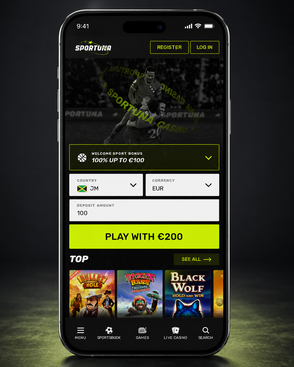
When a platform is used mainly by phone, the first impression doesn't last long. A clean screen might impress at first, but the real judgment comes when you look for your balance, open your profile, go to the cashier, and try to understand if the steps are truly linear. In 2026, many users in Italy use their account in a fragmented way: a few minutes in the morning, a quick check in the afternoon, a short session in the evening. In this context, clarity weighs more than aesthetics.
App 1

Imagine a simple situation. You're away from home, you have ten minutes free, and you want to see if the mobile interface is readable. If menus, balance, and personal area are found immediately, the experience starts well. If, instead, you have to go back several times or interpret unclear screens, the problem is immediately felt. A platform designed for mobile isn't judged by how it looks. It's judged by how it truly usa works.

For those accessing from Italy, the most useful criterion remains very practical: the service should allow orderly use, in compliance with applicable rules, and with access reserved for adults. There's no need to chase generic promises. You need to understand if the account helps you log in, move around calmly, and exit without friction.

When Sportuna Mobile Really Helps

The phone is convenient when you already know what you want to do. Log in, check the balance, take a look at the history, have a short session, and then log out. It becomes less convenient when you have to read a lot of information, clarify a doubt in the cashier, or fix profile data. Think about an ordinary evening: you open your account "just for a moment" and find yourself switching from one section to another without a clear direction. If the structure is clear, those minutes remain under control. If the structure is dispersive, the time spent increases, and the perceived convenience quickly drops.
Registration, Login, and Initial Account Setup

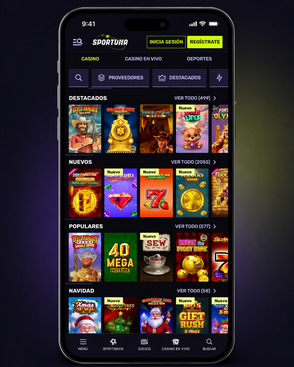
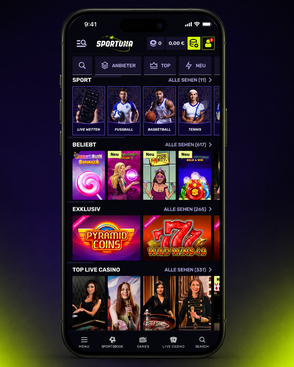
Registering from a smartphone almost always seems easy. The point, however, is not to complete it quickly. The point is to build an account that remains organized even afterward. A wrongly entered contact, a skipped confirmation, or a carelessly saved password can resurface precisely when you want to log in in seconds. This is why many more cautious users spend the first few minutes not playing, but organizing their profile.

application 2

Usually, it's best to do it this way. You open the account at a quiet moment, check your email and number, see where security, support, and history are located. Only then do you decide whether to proceed to the cashier or the games. This order doesn't slow down the experience. It makes it cleaner because it prevents an initial detail from becoming a problem later on.

Imagine registering during a break, while also replying to messages or checking other apps. It takes very little to mistype a piece of information or close a window that should have been read more carefully. At first, it seems like nothing. Then you log back in two days later and realize that the information you needed is missing. When the profile starts off well, the rest also becomes less burdensome.

Another useful aspect concerns account security. Many people look for passwords, data recovery, and notifications only when something gets blocked. In reality, it makes much more sense to locate these areas immediately, when your mind is clear and the account is newly created. In an online gaming environment, knowing where the control functions are is almost as valuable as knowing where the games are.

For users in Italy, the quality of personal settings also matters. Deposit limits, session reminders, temporary timeouts, self-exclusion: these are not tools to be sought only when a problem arises. They should be identified at the beginning, just like profile contacts. If you already know where they are, the account stops seeming like a display case and becomes a space you can truly manage.

App 3

For Whom It Makes Sense to Use Sportuna Casino App

Una piattaforma da telefono non serve a tutti nello stesso modo. C’è chi la usa soprattutto per controllare il saldo e dare un’occhiata rapida alla cronologia. C’è chi preferisce fare sessioni corte dal divano la sera. C’è anche chi alterna in modo naturale telefono e schermo grande: il primo per accessi veloci, il secondo per leggere la cassa con più calma. La soluzione migliore non è uguale per tutti, ma un conto ben progettato dovrebbe adattarsi bene a tutte e tre le abitudini.

Imagine two different people. The first logs in from mobile only to check their profile and have quick sessions. The second also wants to carefully read every step related to account movements. If the platform manages to be simple for the first without becoming superficial for the second, then it has found a good balance. This balance, in 2026, matters much more than pure speed.

What to Check As Soon As The Account Is Active

As soon as the account is operational, it's advisable to check a few key points: personal data, security area, history, support, and pause tools. You don't need to study every menu obsessively, but it's enough to understand if you already know where to look when something requires attention. Imagine doing this check in the first few minutes, even before thinking about a session. If you find everything easily, you already have a good indication of the quality of the experience and that the account won't force you to improvise every time.

Cashier, Balance, and Reading Movements

The financial section is where a platform stops seeming merely pleasant and begins to show if it truly knows how to accompany the user. It's not enough to see the balance at the top or find a button for the cashier. You need to understand how movements are displayed, where notifications appear, and how easy it is to reconstruct a session afterward. If this information is clear, you feel in control. If it's scattered, trust quickly diminishes.

Imagine you've finished a short session and want to understand precisely what happened. You open the history and look for order: fund deposit, balance usage, any pending requests, last recorded transaction. It's at this moment that a serious judgment is formed. Not when everything goes smoothly, but when you need to calmly read the steps. Many cautious users look at the financial area even before actually using it for this very reason.

Item to Check

Why It's Useful

Profile Data

Reduces errors between account and operations

Movement History

Helps reconstruct what happened

Status of Requests

Indicates if a step is open or closed

Personal Limits

Keeps the budget within a chosen threshold

Notifiche Del Sistema

Segnala se manca un’azione da completare

Area Assistenza

Useful when a doubt requires a precise answer

How to Prepare Your First Deposit Without Stress

Before the first deposit, it's advisable to do a brief but serious check: complete profile, readable history, set limits, and understand the cashier structure. Imagine wanting to deposit in minutes after a long day. If you skip these steps, the initial speed seems useful only for a short time. Then doubts arise about the balance, transaction status, or system messages. It's better to read first and not later, when haste weighs more and the account seems more complicated than it really is.

What to Do If a Transaction Isn't Immediately Clear

The least useful thing is to click randomly or repeat the same action. It's better to stop, read the history, check notifications, and see if the profile shows any pending steps. Think about an evening when you just want to understand if everything has been recorded correctly. If you move calmly, the picture usually becomes clearer faster. If you react impulsively, you risk only adding confusion to a doubt that might have only required thirty seconds of orderly reading.

Short Sessions, Pace, and Time Management

A good mobile environment isn't just for getting in quickly. It's also to prevent you from losing track of time. On the phone, everything seems lighter, continuous, and easy to reopen. That's why a two-minute check can turn into a much longer stay without you realizing it. On such a platform, time counts almost as much as budget.

Imagine opening your account at 10:20 PM with the idea of staying ten minutes. Check the balance, go to the lobby, then the cashier, then back to the profile. If you don't have a clear goal, time extends on its own. Many more mature users do the opposite: they first decide how long to stay, then choose whether to actually log in. It's a simple rule, but it changes how the account fits into the evening.

The time of day also matters. If you are tired or doing something else in parallel, the chances of misreading a notification or skipping a detail increase. A time limit set before the session helps you keep the account within your boundaries. It's not rigidity. It's a way to give control to the user and not to the device's inertia.

Why a Break is a Tool, Not a Surrender

Many think of breaks only in moments of discomfort. In reality, it's also useful beforehand. Timeouts, session limits, and reminders serve precisely to interrupt the flow when time extends without reason. Imagine an evening when you just want to check your account and try something briefly, but you realize you're still there long after the time you set. Stopping at that moment is an intelligent choice. You are not giving up something. You are keeping the account within your boundaries.

Assistance, Support, and Continuity Between Devices

Assistance becomes important when the problem is small but concrete. An access that doesn't complete, a unclear notification, a cashier item you don't understand, or a history that leaves you perplexed. In these cases, you don't need to write a lot. You need to write well. The more precise the picture, the more useful the answer can be.

Imagine opening your account from your phone and finding a wording you don't know how to interpret. The temptation is to immediately send a generic message like 'it's not working'. However, such a phrase helps the reader little. Serious support works better if it knows which device you are writing from, when the doubt arose, and which section you were looking at. It's a detail that significantly changes the outcome of the exchange.

Alongside support, continuity between the big screen and the phone matters. Many users alternate between the two devices: computer for registration, reading the cashier, and setting up the profile; phone for quick checks and short sessions. This balance only works if the account maintains the same logic on both. Similar menus, readable history, clear balance, easy-to-reach personal area. If every access feels like a new environment, the experience becomes cumbersome.

How to Write to Support Usefully

A useful request contains few, but the right, elements: approximate time, device, section concerned, and message displayed. Think of a concrete situation. You are reading the history from your phone and an unclear wording appears. Saying only that there is a problem leaves too much room for interpretation. Saying instead where you are, what you did, and what text you see on the screen truly helps to receive a more precise and faster answer.

Final Balance for Users in Italy

To seriously judge this platform in 2026, it's not enough to ask if the phone version is pleasant to look at. You need to understand if it holds up to how people actually use it: quick access, on-the-fly balance checks, reading the cashier, profile management, support for everyday small problems, short sessions to be closed on time. If these elements work together, the service can be convenient. If one of them creates too much friction, the whole experience suffers.

Imagine a concrete test. Open your account, check profile and history, look at the cashier, have a short session, and then exit. If you can reconstruct everything effortlessly afterward, the structure has done its job well. If, on the other hand, it feels like you navigated more than understood, the signal should be heeded.

For those accessing from Italy, the criterion remains simple: use in compliance with applicable rules, access reserved for adults, attention to budget and time. When the account helps keep these elements together, the experience remains under control. When it complicates them, it's better to notice it early and adjust your use of the platform accordingly.

FAQ

The most useful way is to treat the first access as a technical test and not as a full session. Log in, check balance, history, cashier, and profile, then exit. If you can find everything without difficulty, you already have a good sign. If, on the other hand, every important function seems hidden or scattered, it's wise to remain cautious and not confuse pleasant graphics with true ease of use.

Better when you have a quiet moment and aren't doing other things. Mobile registration seems light, but a distraction is enough to enter data incorrectly or skip an important confirmation. If you dedicate a few minutes with full attention, the account starts more organized and saves you time later.

It depends on the operation. For quick checks and short sessions, the phone may be sufficient. For reading settings, clarifying a doubt in the cashier, or fixing the profile, a larger screen often helps more. Many users use both, but with different tasks, and it's often the most practical solution.

Before any deposit, it is advisable to check that your profile, history, and financial area are legible. It is also useful to decide on a session threshold before moving funds. It seems like a small routine, but it greatly reduces errors that arise when trying to do everything at once and too quickly.

The first thing to do is to read the message in the right context: which section were you looking at, what action had you just taken, and does the history show anything related. The least useful thing to do is ignore the text or panic. If doubt remains, you can write to support explaining where it appeared and what you were doing at the time.

Because limits work best when you choose them before the session and not in the middle. If you wait until time has already run long or the budget is less clear, you are trying to sort things out on the run. A predefined threshold makes the account much easier to manage and reduces impulsive decisions.

The right time comes not only when you feel under pressure, but also when you have already obtained the information you were looking for or finished the time you had allocated. If you stay online without a specific purpose, the break becomes an intelligent choice. Stopping in time helps to keep control in your hands and not in the hands of habit.